

“Excessive processing oxidizes seed oils such as canola, corn, cottonseed, soybean, safflower, sunflower, soybean, etc. Rust on steel is a form of oxidization, and these oils are no different. Consuming industrial seed oils is like drinking rusty water.”1
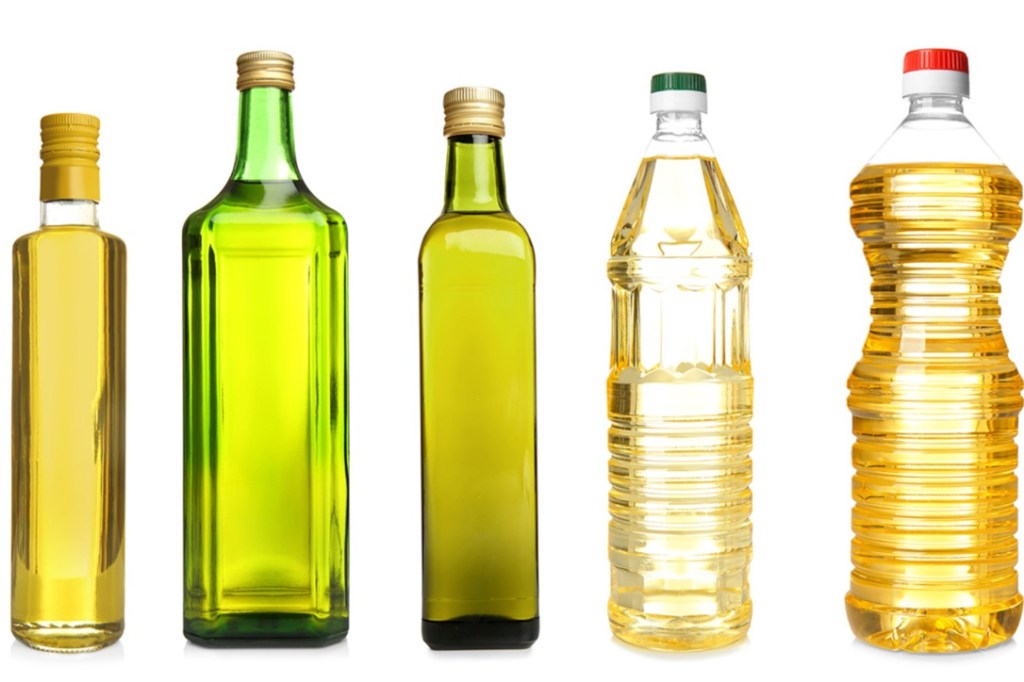
WE HAVE BEFORE US A CRISIS AND CHALLENGE OF CHOICE, because of the ever-presence of industrial oil in many foods we eat. The practice of ignoring what certain fats and industrial oils do to our body remains a rather high cost over the long term. The beneficial task of taking the time now to choose high-quality foods will reward us the wealth of health and stands as the best investment of time and effort for anyone who wants to live well and live a longer quality life.
We can begin by maximizing satiety on nutrient-dense food and asking ourselves a few questions:
- How do we distinguish between sound quality, clean food versus the convenient, low-quality, and conventional food choice that inundates mass media advertisements and grocery shelves?
- Where do we look today to find nutrient-dense food to enjoy and savor?
- What can we correct in our food choices to put us on a wellness path?
Answering the above three questions will require some pre-planning (and perhaps some cabinet cleaning) to learn to act more deliberate, avoiding impulsive and often unconscious food choices when we get hungry.
The Bad
MOSTLY IN THE MIDDLE SHELVES OF GROCERY STORES WE FIND packaged and canned food containing bad fats in the form of industrial oils. These include trans-fats,’ and hydrogenated oils such as canola, corn, cottonseed, soybean, safflower, and sunflower. Gary Taubes in Why We Get Fat offers a historical account of how major food industries contributed to manipulated and misrepresented studies on how particular oils and fats affected the body’s function. These oils have a short history as they appeared just after 1977 when the government forced food manufacturers to stop using lard, beef tallow, and butter and instead encouraged food companies to invent and promote a spreadable form of hydrogenated fat that we call margarine to “improve the texture” and to extend the storage shelf life. This change came at the expense of long-term human health and quality life-chances.
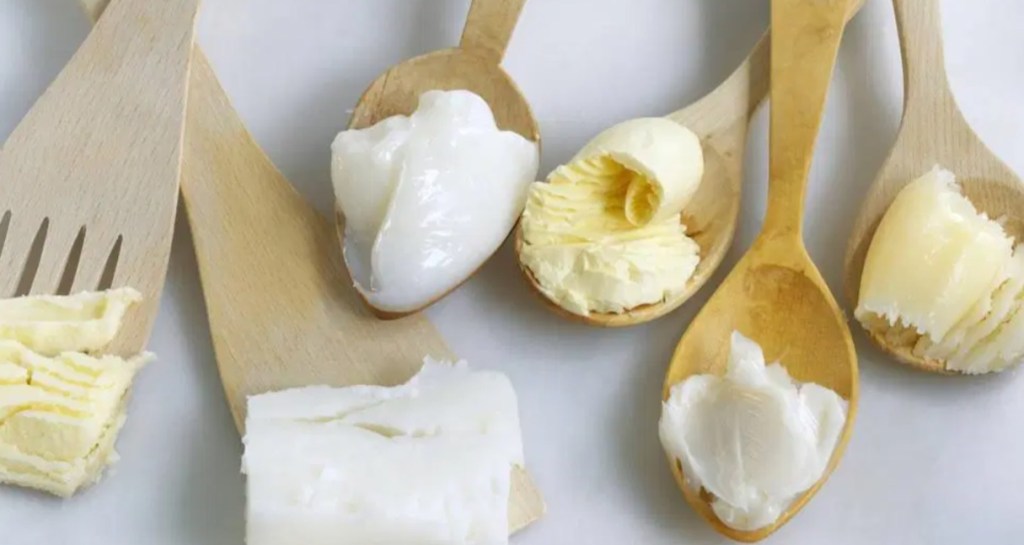
For instance, we know that hydrogenated oils and trans-fats challenge the body’s optimal function by contributing to bad high cholesterol (LDL). Unlike animal fats, such as lard, butter, and tallow, these highly processed industrial oils contribute to slowing down the brain’s ability to protect itself from inflammation, which, in turn, significantly increases the chances of a stroke. Given that we only need to consume a minimum of two grams (4 servings) of these fats to cause harm, we should remain cautious in our food choices and always check the label of boxed and packaged foods for these hydrogenated oils. Given that companies continue to slowly refine, bleach, and deodorize industrial oils like soy, corn, and canola, leaving them nutrient-lacking, we need to make sure we avoid them at all costs and use better fat sources of fuel that remain un-refined. Even some five star restaurants use some of these oils, so ask what they cook with when you order your food or request that they use one of the aforementioned unprocessed oils.
The Good
IF WE LOOK CAREFULLY AT WE CAN FIND SEVERAL CHOICES OF GOOD FATS AND OILS THAT SUPPORT the body and brain. We can find a detailed explanation of the consequences of consuming industrial oils found in many foods in Deep Nutrition by Kate Shannon. For instance, she notes that unrefined oils retain the natural taste of nuts, seeds, or fruit because companies process them without using harmful solvent used in refined industrial oils mentioned above. Accordingly, olive, avocado, and macadamia oils make ideal selections for salads, and coconut, lard, and tallow for cooking. However, we must avoid cooking with olive oil because heat at 300 degrees damages the oil, making it unsuitable to consume.
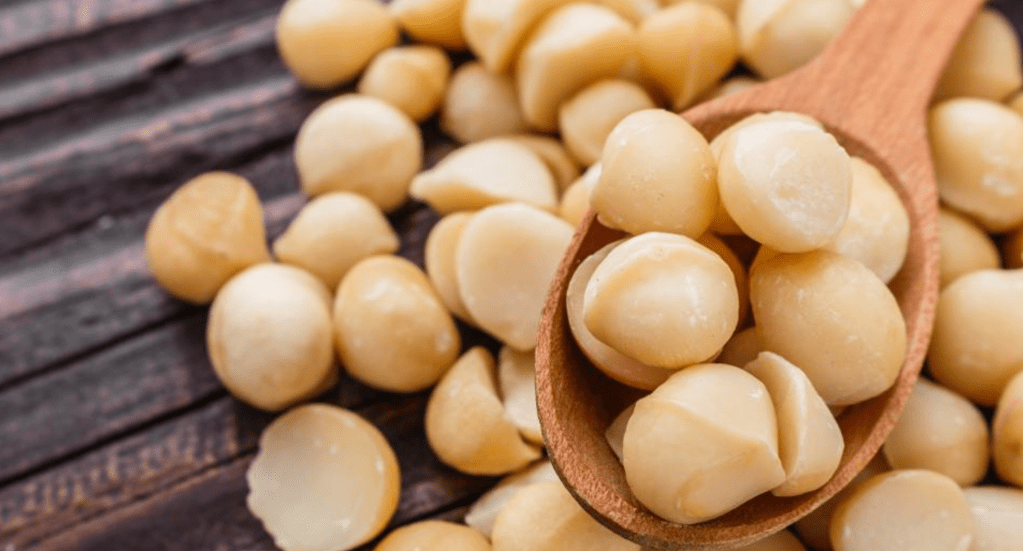
Although nuts, especially macadamia and brazil nut, represent an excellent addition to our food choices, they contain some anti-nutrient qualities. Nonetheless, we can include a small amount (a half-palm) of pistachios, cashews, pecans, walnut, hazelnuts, and flaxseeds. We just need to remember that in excess, they can create digestive issues because of anti-nutrient qualities. We can offset anti-nutrients by preparing them by sprouting, roasting, or soaking them first. Nut butter made from pre-roasted and prepared nut stands as our best choice.
Sometimes we make uninformed, impulsive choices concerning our health because of timing and circumstance. We must regain some control because the cost of standing oblivious to our health remains high and undermines our chances to optimize the function of our bodies and brains for living a long and quality life.
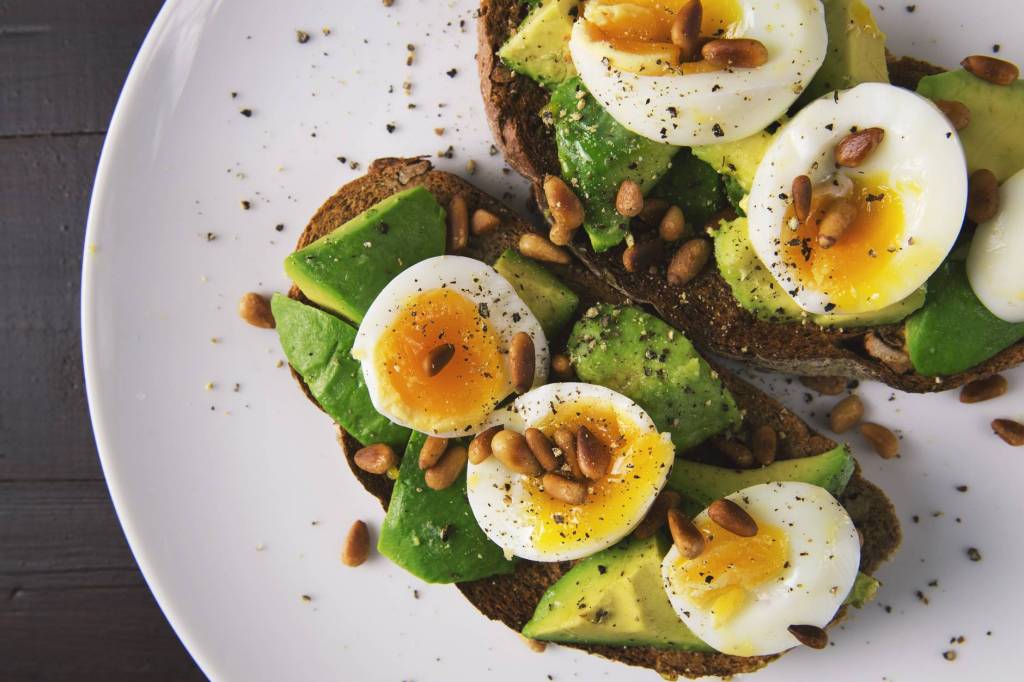
Besides the oils from nut and vegetable sources, another worthy investment toward wellness comes from eggs, especially the yoke, which has good cholesterol (HDL) and provides over half of the 13 essential nutrients. Free Range Eggs remain higher rich sources of Vitamin D, B and Omega 3, Even more, the choline in the yoke of these eggs will absolutely support brain function.
A Balanced Corrective
START WITH GOOD FATS AND OILS FROM GRASS-FED AND GRASS-FINISHED animals when you can. Consider the upfront cost of higher quality investment as an investment in your health, wellness, and longevity. If we must eat grain or corn fed meats, then we can always choose the leanest cut avoiding the bad fat where most of the anti-nutrients from the grain culminate. Also, we need to stock our shelves with other good sources of fat found in nuts, seeds, cold-water fish, dairy, hard and fermented cheeses, and free-range eggs.
The practice of ignoring what certain fats and industrial oils do to our body remains a rather high cost over the long term. The beneficial task of taking the time now to choose high-quality foods will reward us the wealth of health and stands as the best investment of time and effort for anyone who wants to live well and live a longer quality life.
We now recognize that a variety of fats and oils that we consume either benefit or undermine the brain and body’s function. This particular information will contribute to our knowledge of perils of specific paths that we take towards wellness, which in turn inform our behavior and practice. According to Kate Shannahan in her book Deep Nutrition, the cost of not changing and not avoiding these harmful oils appear enough to spend energy to rethink how we use our energy and effort toward feeding ourselves. Beyond pleasure, eating for nourishment, also, can enhance appreciation for food and the wellness benefits it offers.
Next Blog: 10 Primal Principles for Wellness
References
“Fats 101: Optimal Fat Choices.” My Gymnastic Bodies, https://my.gymnasticbodies.com/#series/thrive/2/lesson.
Sisson, Mark D. The Primal Blueprint : The Definitive Guide to Living an Awesome Modern Life. 3rd edition. ed. Oxnard, CA: Primal Blueprint Pub., 2016.
Shanahan, Catherine, and Luke Shanahan. Deep Nutrition : Why Your Genes Need Traditional Food. First Flatiron Books edition. ed. New York: Flatiron Books, 2017.
Taubes, Gary. Why We Get Fat and What to Do About It. 1st ed. New York: Alfred A. Knopf, 2011.


A Balanced Way to Wellness or W2W gives us a simple approach to shift our mindset and practice towards our wellbeing. Unlike many diets, we don’t need to track calories; we only need to make the best conscious choices of foods to eat, and the body will take care of itself. The most prominent mindset we often have to fight against: “I have to change too much of what I do.” “If I change, then I can’t eat my favorite foods,” and “eating primally will diminish my enjoyment.” W2W offers a low-cost solution with significant benefits on body and brain for anyone wanting to increase their life chances, and optimize their brains and body. The W2W approach’ rooted in the Ancestral and Primal frameworks and focus, gives many options that will satisfy any food lover. Join my mailing list to learn more and to receive my free ebook: 3 Movements for Energy, Calm and Immunity
Tweet

 Musings on Martial Arts, Taoist Philosophy & All Things Wellness Related.