Why do martial artists pursue balance amid conflict? How can the principles of martial arts help us navigate life’s challenges?
“Harmony fosters growth in small things; its absence causes great things to wane.”
Sallust
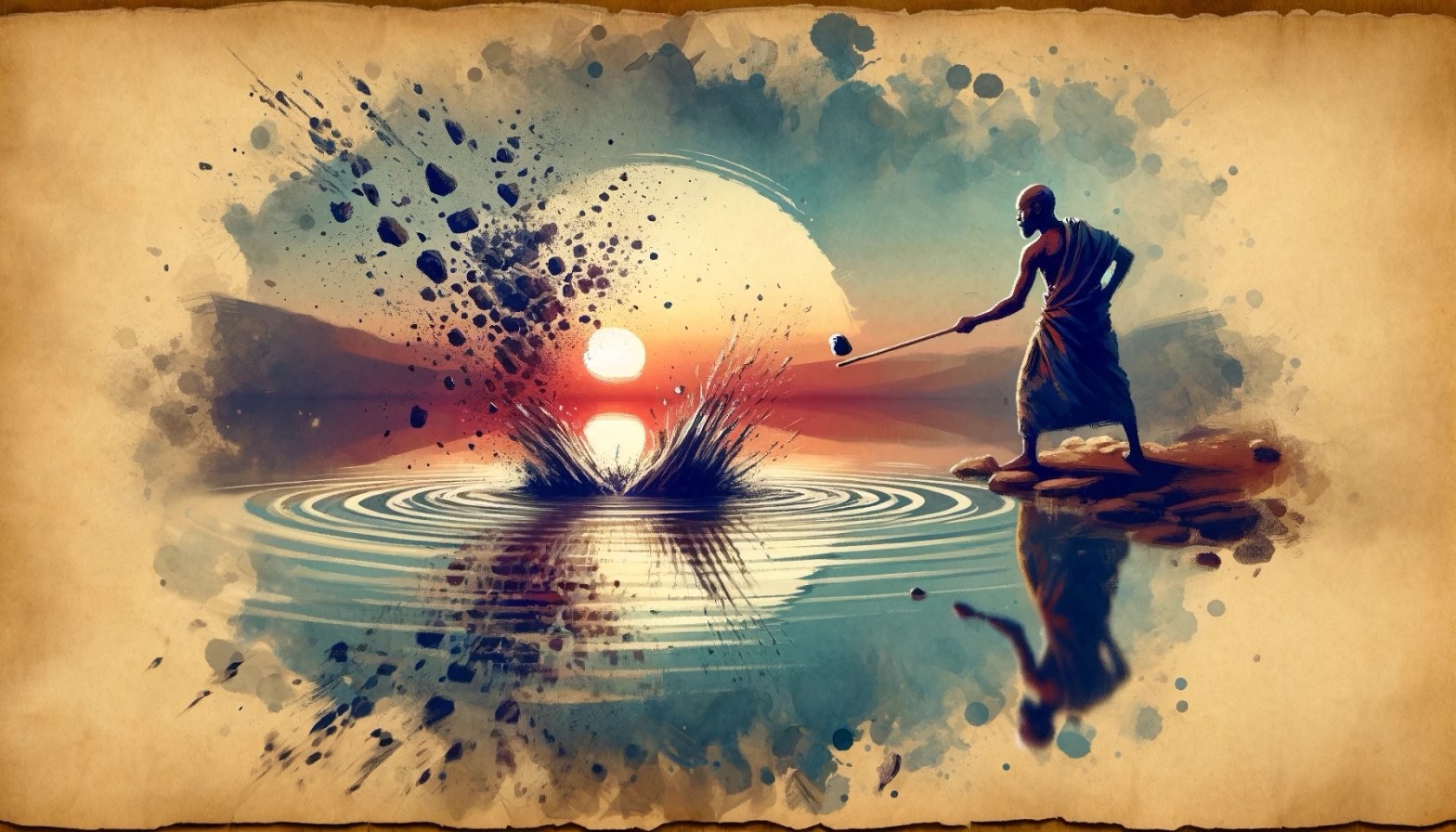
Picture yourself at the edge of a serene lake at dawn, its surface reflecting the sky perfectly. A stone, when it hits the water, disturbs this tranquility yet unveils a deeper beauty and complexity. This scene, capturing both disruption and harmony, illustrates a key lesson from martial arts that goes well beyond the dojo, touching on life mastery’s essence.

The Dance of Harmony and Conflict
Martial arts show us that true strength comes from balance, not dominance. These arts—whether Kung Fu, Tai Chi, or others—emphasize harmonizing opposing forces: aggression with restraint, speed with stillness, power with flexibility. This dynamic extends beyond physicality, embodying the mental and emotional agility needed daily.
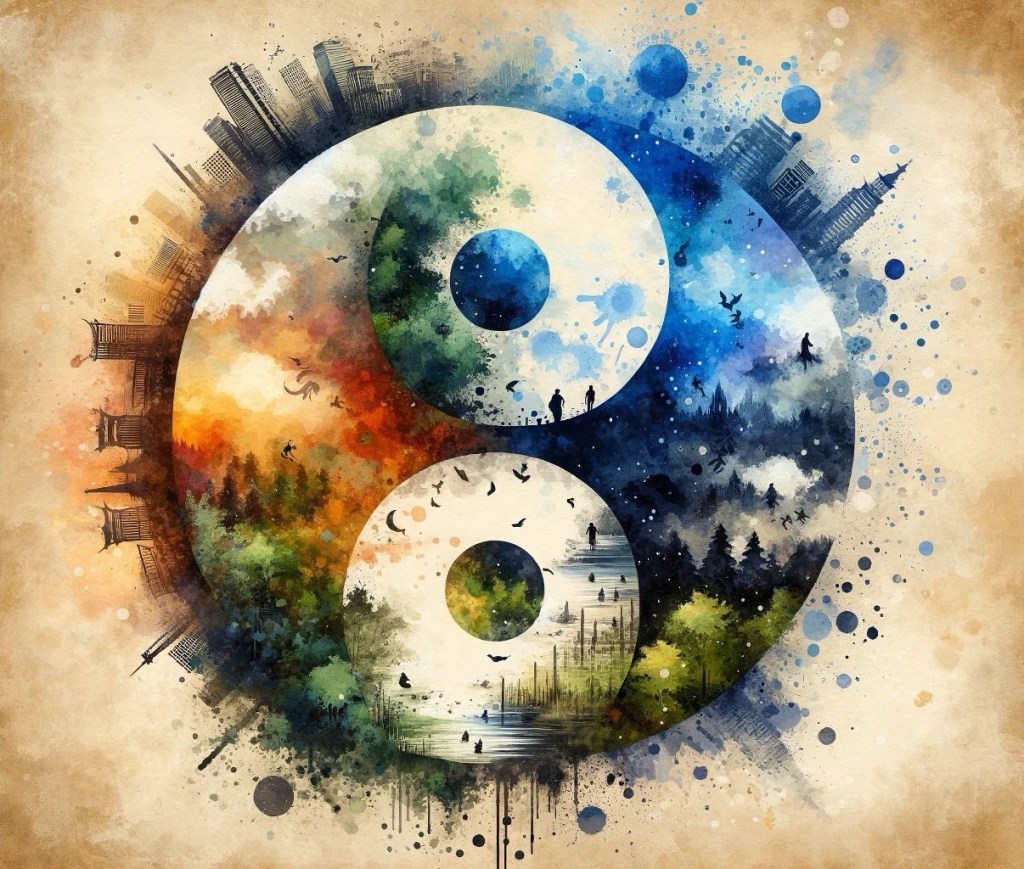
Consider the Yin and Yang, symbols that illustrate the interconnectedness and complementarity of seemingly contrary forces. In life, every challenge holds an opportunity, and every peaceful moment might lead to conflict. Mastery, in martial arts and in life, involves not suppressing one side for the other but integrating both.
Lessons in Resilience and Adaptability
Martial arts build physical strength and cultivate mental resilience and the capacity to recover from setbacks. Life, unpredictable by nature, tests our resilience. Just as a martial artist learns the art of falling and rising gracefully, we too can face life’s challenges without losing our balance.
Adaptability, a key martial virtue, proves essential for responding to changing situations. Just as martial artists adjust their tactics based on their opponents, we must stay flexible and open to life’s evolving scenarios. This teaches us the importance of adaptability in thought and action.
The Path to Inner Peace
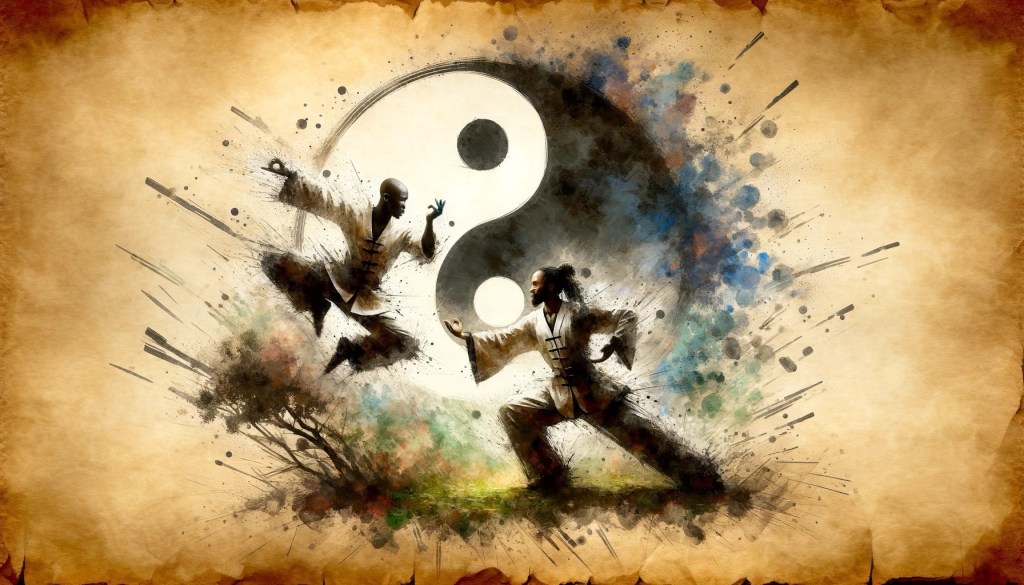
Achieving inner peace represents the ultimate goal of martial arts. Through discipline and practice, martial artists learn to calm the mind, control the breath, and harmonize the spirit, finding serenity amidst chaos. This journey teaches us that peace does not mean the absence of conflict but the ability to find calm within turmoil.
By embracing and harmonizing the opposites within—strength and gentleness, action and contemplation—we navigate life’s complexities with greater ease and confidence.

Reflections
Our exploration today shows that martial arts offer more than combat techniques; they provide a blueprint for life. They remind us that balance, resilience, adaptability, and inner peace stand not just as ideals but as achievable realities. Reflect on these insights:
- Embrace Balance: Acknowledge the strength in your dualities.
- Value Resilience and Adaptability: Learn to move with life’s changes.
- Seek Inner Peace: Find your calm within.
- Practice Compassion: Let empathy guide you through life’s conflicts.
How can you integrate these principles into facing your life’s challenges? How might this perspective alter your approach to conflicts, both within and without?
In closing, let’s remember the guidance of Rumi and Mandela, who urge us to find balance and make choices reflecting our hopes, not our fears.
Until next time, Stay inspired & inspirational!

 Musings on Martial Arts, Taoist Philosophy & All Things Wellness Related.