In our fast-paced society, the concept of wellness constantly evolves. What does it truly mean to feel well? We often hear the phrase “take care of yourself and prioritize your wellness,” but what does that entail? How can we achieve and maintain wellness in a meaningful and sustainable way?
For martial artists and fitness enthusiasts like myself, wellness holds great importance. We strive for physical and mental fitness through activity and discipline. In this blog post, I will share insights from my research on:
1. The origins and evolution of the concept of wellness.
2. How it compares to similar concepts and its unique distinctions.
3. How we can leverage the dimensions of wellness as a framework for prioritizing, organizing, and balancing our lifestyle—ultimately optimizing our lifespan and enhancing our quality of life.
Understanding Wellness in Its Totality
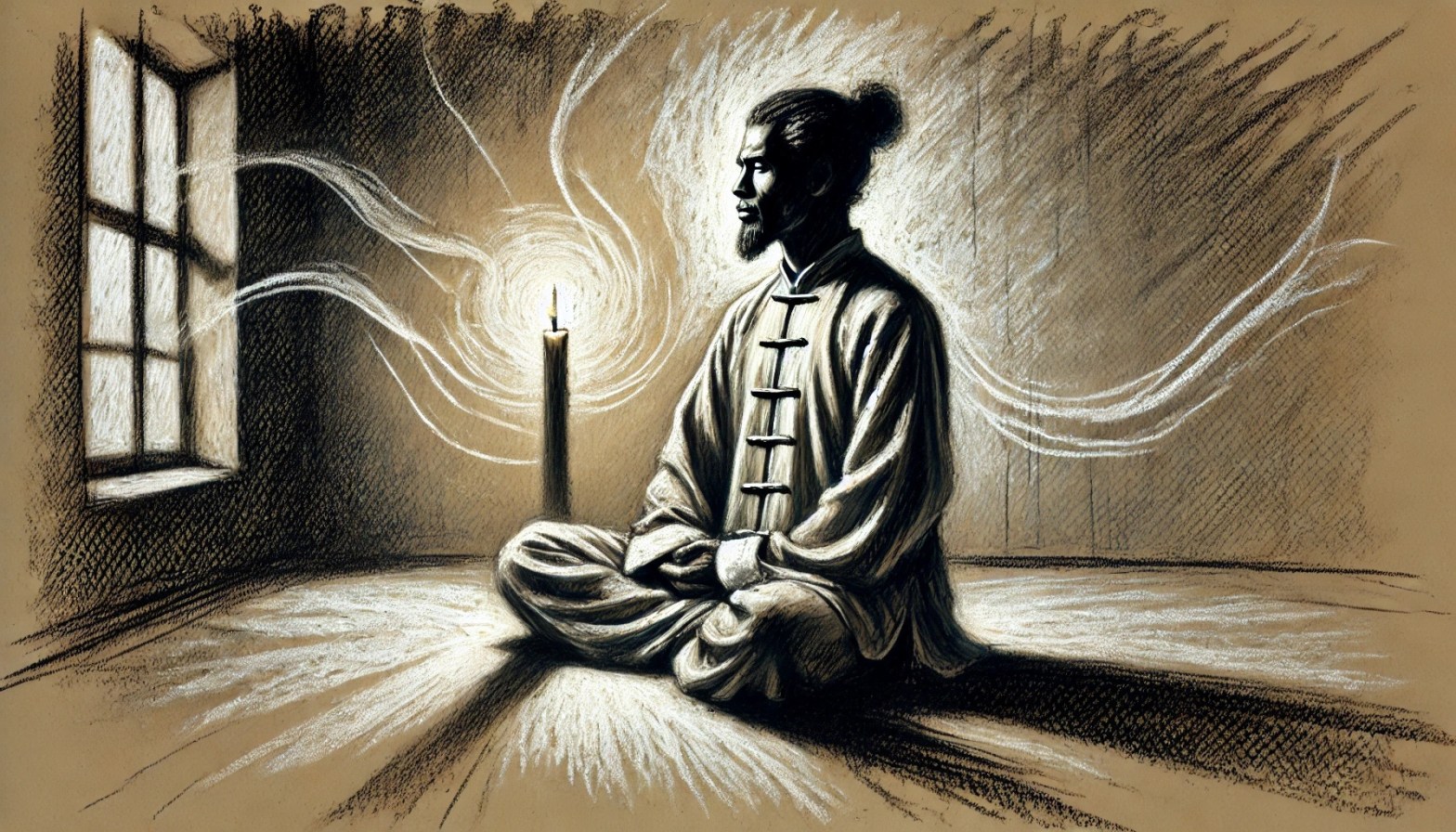
What does “wellness” mean in its fullest sense? We often use terms without fully grasping their meanings. During one of my morning meditations, I contemplated the true essence of “wellness.”
Initially, I believed wellness aligned with “health,” but I began to question whether something more existed. After researching, I discovered that before 1948, people did not commonly use the term “wellness” to describe an individual’s overall health. Instead, they referred to the absence of infirmity or disease as “health.” Many people also used “wellness” to describe one’s physiological, psychological, or social state. Therefore, someone might appear healthy while experiencing internal or social struggles.
Today, even professionals in health and wellness fields use the term in various, sometimes contradictory ways. My research revealed conflicting sources on its origins and first usage. Some claimed that “wellness,” “well-being,” “health,” “healthcare,” and “self-care” referred to the same concept, which complicates rather than clarifies the meaning of wellness.
Further investigation showed that while wellness relates to health, it does not completely overlap with it. Scholars have attempted to create a unified definition for wellness, addressing several issues identified by Charles B. Corbin and Robert P. Pangrazi of Arizona State University in their 2001 paper titled “Toward a Uniform Definition of Wellness: A Commentary.”
Challenges included:
• The widespread use of the term by health and fitness professionals and the general public.
• Different people and organizations defining wellness in different ways.
• The lack of a coherent and consistent definition creating confusion among consumers and professionals.
• A lack of a clear definition hindering the development of a robust body of wellness research.
The Origins and Evolution of Wellness
The concept of wellness originated in ancient civilizations. Early societies viewed wellness as a holistic balance of mind, body, and spirit. Practices such as Traditional Chinese Medicine and Ayurveda emphasized the interconnectedness of physical, mental, and spiritual health.
In 1948, the World Health Organization (WHO) expanded the formal definition of health to “a state of complete physical, mental, and social well-being and not merely the absence of disease or infirmity.” This definition acknowledged that health encompasses more than the absence of illness—it includes overall well-being.
Over the decades, the concept of wellness evolved as our understanding of health and self-care grew. The 1960s and 1970s saw the emergence of the wellness movement, which emphasized personal responsibility for one’s health through lifestyle choices and preventive measures.
Pioneers of Wellness: Halbert Dunn and John Travis
Dr. Halbert L. Dunn, often referred to as the “father of the wellness movement,” introduced the concept of “high-level wellness” in his 1961 book of the same name. Dunn described wellness as a dynamic process of growth and high functioning—a contrast to the medical model’s focus on treating illness.
Building on Dunn’s work, Dr. John W. Travis developed the Illness-Wellness Continuum in 1972. Travis conceptualized wellness as a dynamic process moving along a continuum from premature death to high-level wellness. His model emphasized that wellness does not simply mean the absence of disease but involves a proactive approach to health, involving awareness, education, and personal growth.
The Illness-Wellness Continuum
Travis’s Illness-Wellness Continuum illustrates that individuals can move towards higher levels of wellness even without disease symptoms. It recognizes that a person without physical illness may still experience emotional or psychological distress. Conversely, someone with a chronic condition can achieve a high level of wellness through positive attitudes and proactive health behaviors.
The continuum encourages individuals to take responsibility for their health by making conscious choices that enhance well-being. It underscores the importance of a positive mindset and proactive behaviors in achieving optimal wellness.
Comparing Wellness to Related Concepts
While wellness, health, well-being, and self-care interrelate, they remain distinct concepts:
• Health: Often defined as the absence of disease or infirmity; a state of physical well-being.
• Well-being: A broader concept encompassing physical, mental, and social aspects of life; refers to a state of feeling comfortable, healthy, or happy.
• Self-care: Activities individuals undertake to enhance health, prevent disease, limit illness, and restore health.
• Wellness: The active pursuit of activities, choices, and lifestyles that lead to a state of holistic health. It includes physical, mental, emotional, spiritual, social, environmental, occupational, and financial well-being.
Leveraging the Dimensions of Wellness
My research led me to a comprehensive framework for balancing and organizing life priorities—leveraging the dimensions of wellness. The National Wellness Institute identifies six dimensions of wellness, while others expand it to eight or even ten. These dimensions interconnect, and maintaining balance among them proves crucial for optimal wellness.
The Commonly Accepted Dimensions of Wellness:
1. Physical Wellness: Maintaining a healthy body through regular exercise, proper nutrition, adequate sleep, and avoiding harmful habits.
2. Emotional Wellness: Understanding and managing one’s feelings, coping effectively with stress, and maintaining satisfying relationships.
3. Intellectual Wellness: Engaging in creative and mentally stimulating activities, expanding knowledge and skills.
4. Social Wellness: Developing a sense of connection, belonging, and a well-developed support system.
5. Spiritual Wellness: Exploring meaning and purpose in human existence, appreciating life, and aligning actions with values.
6. Occupational Wellness: Personal satisfaction and enrichment derived from one’s work, balancing work and leisure time.
7. Environmental Wellness: Recognizing the responsibility to preserve, protect, and improve the environment.
8. Financial Wellness: Managing resources to live within one’s means, making informed financial decisions.

Implementing the Wellness Framework
To achieve true wellness, we must focus on all aspects of ourselves to create stability, balance, and harmony. By organizing our priorities around these dimensions, we can identify areas needing improvement and take proactive steps toward enhancing our well-being.
Physical Wellness
Physical wellness involves adopting healthy habits that improve physical health and functioning. This includes:
• Regular Physical Activity: Engaging in exercises that improve cardiovascular fitness, strength, flexibility, and balance.
• Nutrition: Consuming a balanced diet rich in fruits, vegetables, lean proteins, whole grains, and healthy fats.
• Sleep: Prioritizing adequate and quality sleep to restore energy and support bodily functions.
• Preventive Care: Regular health screenings and check-ups to detect and prevent health issues early.
• Avoiding Harmful Behaviors: Limiting or eliminating the use of tobacco, excessive alcohol, and other harmful substances.
Emotional Wellness
Emotional wellness encompasses understanding and accepting one’s feelings and effectively managing stress. Strategies include:
• Mindfulness and Meditation: Practices that promote awareness of the present moment and reduce stress.
• Emotional Intelligence: Developing the ability to recognize, understand, and manage our own emotions and those of others.
• Healthy Coping Mechanisms: Engaging in activities that reduce stress, such as hobbies, exercise, or talking with trusted individuals.
• Professional Support: Seeking counseling or therapy when needed.
Intellectual Wellness
Intellectual wellness encourages lifelong learning and intellectual growth. This can happen by:
• Learning New Skills: Pursuing education, learning a new language, or developing a hobby.
• Creative Activities: Engaging in artistic endeavors like writing, painting, or music.
• Critical Thinking: Challenging oneself to think critically and consider different perspectives.
Social Wellness
Social wellness focuses on building healthy, nurturing, and supportive relationships. Steps include:
• Community Engagement: Participating in community activities or volunteer work.
• Building Relationships: Investing time in friendships and family connections.
• Effective Communication: Developing good communication skills to interact positively with others.
Spiritual Wellness
Spiritual wellness involves seeking meaning and purpose. This may include:
• Reflection and Meditation: Practices that encourage self-reflection and inner peace.
• Values Alignment: Living in a way that remains consistent with personal beliefs and values.
• Connection with Nature: Finding inspiration and tranquility in the natural world.
Occupational Wellness
Occupational wellness involves personal fulfillment and enrichment through work. This includes:
• Career Satisfaction: Finding work that aligns with personal values and provides meaning.
• Work-Life Balance: Managing time to balance professional and personal responsibilities.
• Professional Development: Pursuing opportunities for growth and advancement.
Environmental Wellness
Environmental wellness emphasizes living in harmony with the Earth by understanding the impact of your interaction with nature and your personal environment. Actions include:
• Sustainable Practices: Reducing waste, recycling, and conserving resources.
• Creating Healthy Spaces: Ensuring living and working spaces promote health.
Financial Wellness
Financial wellness involves the effective management of financial resources. This includes:
• Budgeting: Planning and tracking spending.
• Saving and Investing: Preparing for the future through savings and investments.
• Financial Education: Increasing knowledge about financial matters.
Conclusion
Exploring the concept of wellness reveals it as a dynamic and multidimensional state that extends beyond physical health. By understanding and addressing the various dimensions of wellness, we can create a balanced and fulfilling life.
Implementing this wellness framework allows us to prioritize and organize our lives effectively. It provides a practical guide for self-improvement, helping us identify areas needing attention and offering strategies for enhancement.
When we care for ourselves and prioritize wellness, we not only improve our own lives but also set a positive example for others. By striving for balance across all dimensions of wellness, we can optimize our lifespan and enhance the quality of our life experiences.
Final Thoughts
Wellness represents an ongoing journey, unique to each individual. It requires continuous effort and commitment to personal growth and well-being. By embracing the concept of wellness in its totality, we empower ourselves to lead healthier, happier, and more fulfilling lives.
Ready to dive deeper into your wellness journey? For practical tips, martial arts insights, and mindfulness practices, I invite you to subscribe to my YouTube channel, Tea Time Warrior Wisdom. Together, we’ll explore holistic ways to enhance your physical, mental, and spiritual well-being. Join me on this path toward a balanced and fulfilling life.
References:
1. Corbin, Charles B., and Robert P. Pangrazi. Toward a Uniform Definition of Wellness: A Commentary. Arizona State University, 2001.
2. Dunn, Halbert L. High-Level Wellness. R. W. Beatty Ltd., 1961.
3. Travis, John W. Wellness Workbook: How to Achieve Enduring Health and Vitality. 3rd ed., Ten Speed Press, 2004.

 Musings on Martial Arts, Taoist Philosophy & All Things Wellness Related.