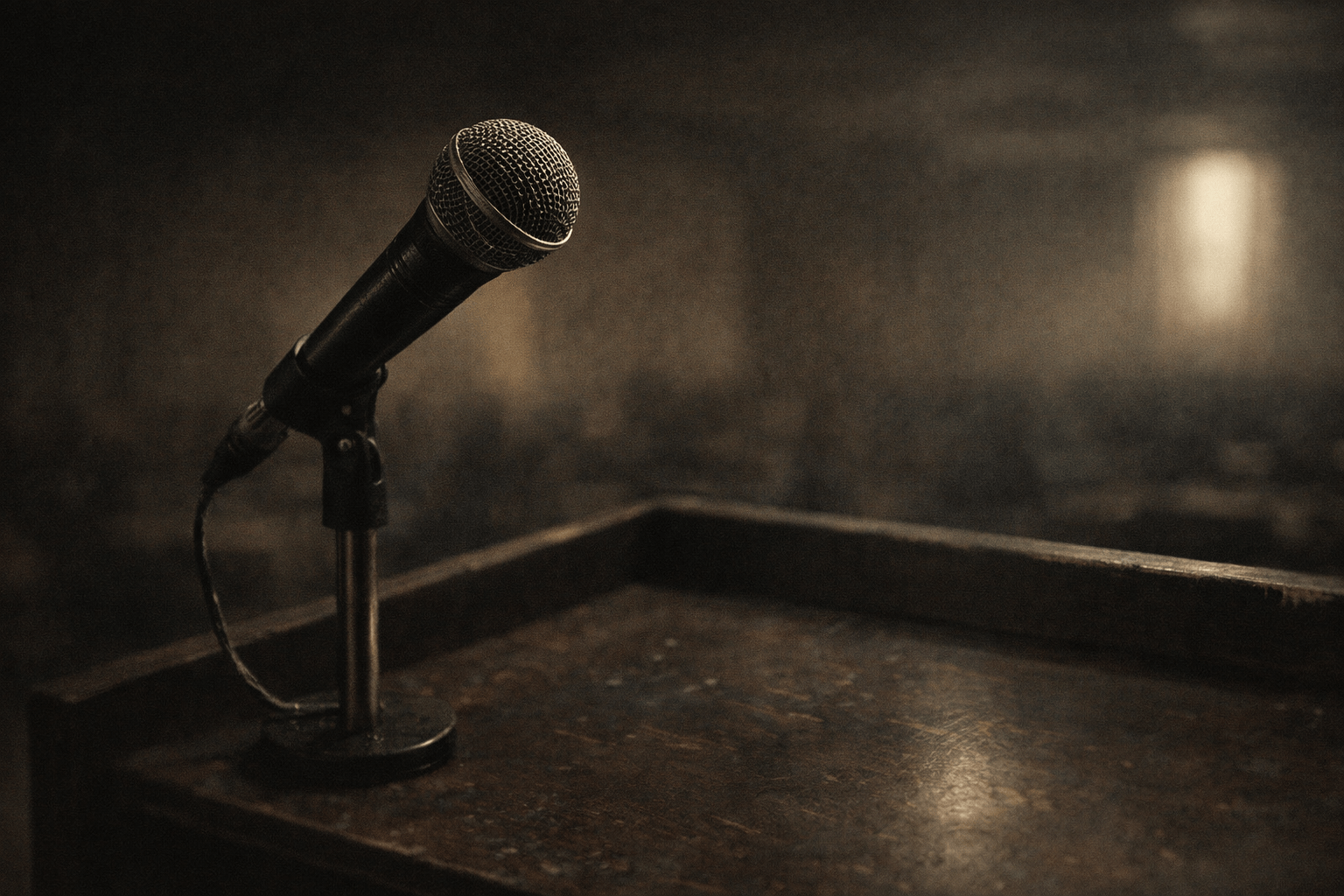
The speech came on last night while I stood there listening, not yet braced for reaction or rebuttal, just letting the cadence occupy the room the way authority often does when it wants to feel unquestioned, carried on a steady voice, deliberate pauses, and emphases arranged to signal control before substance ever has to earn it.
I didn’t sit down. I stayed standing, the way the body sometimes does when it senses that something deserves attention even if the mind hasn’t decided why. As the speech unfolded, I noticed myself lean forward slightly, not from interest or agreement, but from a kind of alert discomfort—the feeling that arrives when something sounds forceful without feeling settled.
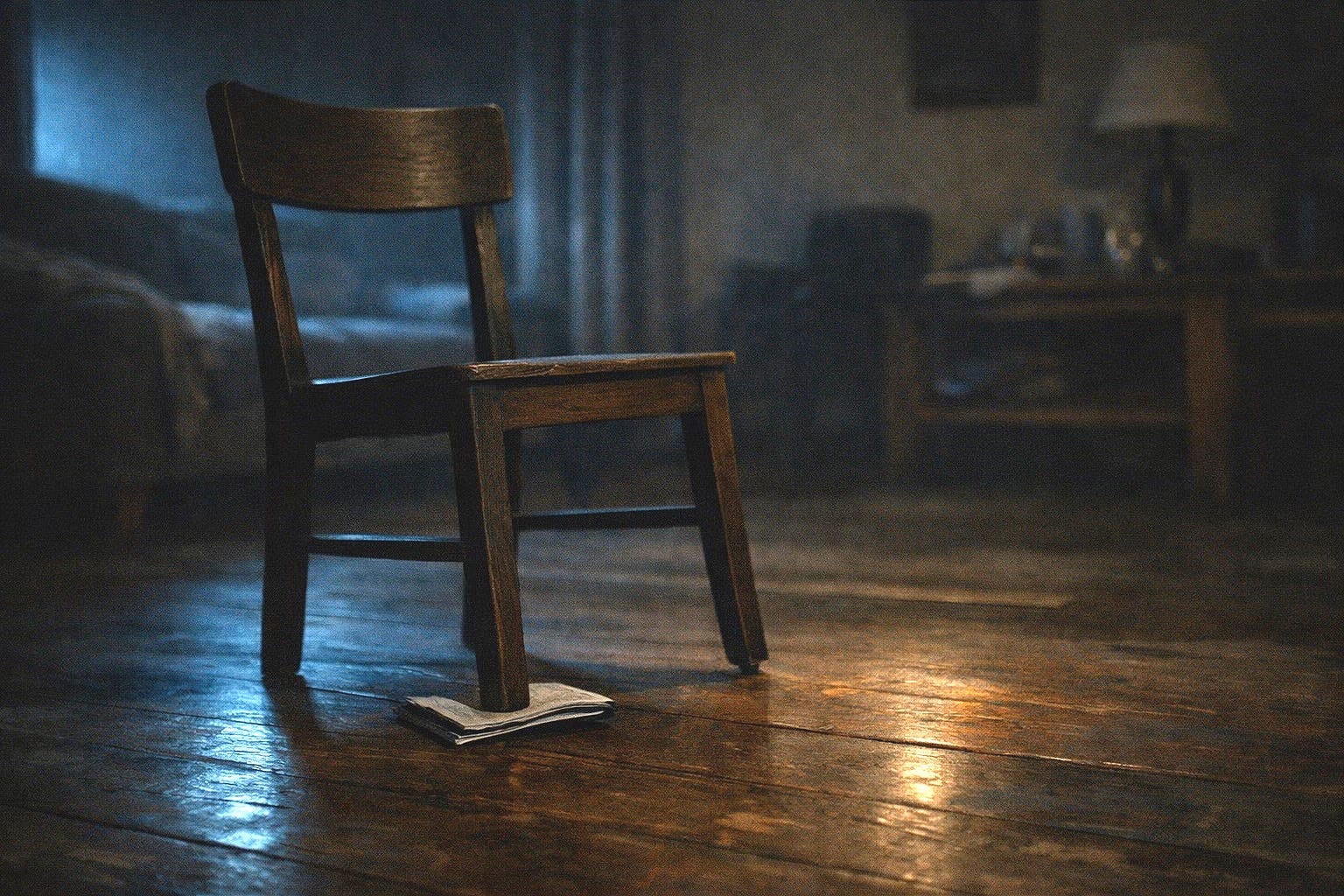
“When strength keeps announcing itself, it rarely settles.”
I stayed quiet and kept listening, long enough for the pattern to begin revealing itself. Somewhere in the middle of it, not at an applause line or a promise meant to reassure, a memory surfaced without effort: a passage from the Dao I had read recently, returning not as commentary or critique, but as a measure that already knew how to name what I was sensing. The words came back whole:
One who stands on tiptoe cannot stand long.
One who strides cannot walk steadily.
One who displays himself does not shine.
One who justifies himself has no glory.One who boasts has no merit.
One who parades success does not endure.
-Dao De Jing, Chapter 24

“The Dao doesn’t argue with leadership; it tracks posture and waits for consequence.”
What struck me wasn’t the sharpness of the lines as commentary, but their indifference to argument. The Dao doesn’t oppose leadership like this. It doesn’t interrogate motives or speculate about intent. It tracks posture over time, effort in relation to endurance, assertion weighed against grounding, and then waits for consequence to speak.
As the speech continued, that contrast sharpened. The more insistently strength announced itself, the less weight it seemed to carry. Explanation appeared where steadiness might have sufficed, repetition where authority should have rested. The words moved forward quickly, urgent, amplified, yet nothing arrived with enough balance to stay. I didn’t hear command so much as expenditure—energy spent maintaining an image rather than holding a center.
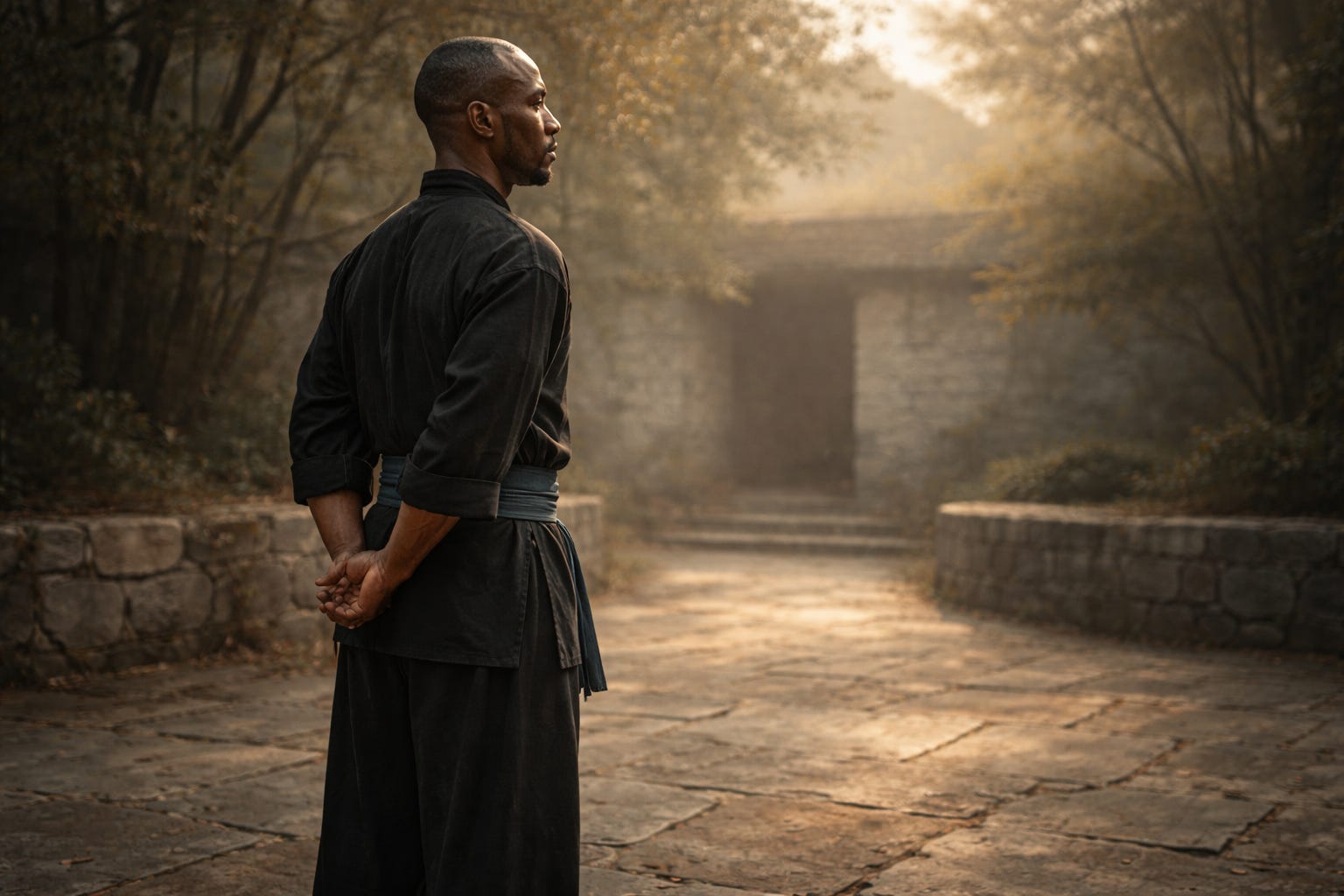
“In a political age like this one, strain often passes for resolve as long as the delivery stays confident.”
The Dao names this condition without insult, calling it unwanted food, extraneous growth, not as a moral judgment but as a diagnosis of inefficiency. Excess effort doesn’t fail because it lacks intention; it fails because it burns resources without increasing stability. That recognition unsettled me more than disagreement ever could, especially in a tubulent political age like this one, where leadership so often confuses motion for direction, urgency for necessity, propaganda for truth, and visibility for legitimacy. Strain passes for resolve as long as the delivery stays confident and the lights remain on.
What troubled me about the speech didn’t depend on ideology or policy. It registered earlier than that, at the level of bearing. Leadership leaning forward too far, rising onto its toes, spending energy to look strong and competent instead of conserving it to remain steady.

“Leadership reveals itself first through balance, not language.”
The Dao never dramatizes collapse. It predicts exhaustion. It doesn’t moralize failure, it records physics. Any stance held in imbalance long enough begins to hollow itself out, no matter how disciplined the messaging or how often strength gets declared aloud.
Standing there, listening, I didn’t experience the passage as ancient wisdom retrofitted to the moment. It arrived in real time, giving language to something my body had already noticed before my mind rushed in to rationalize it away. Moreover, it didn’t tell me what to think about the speechit clarified why it felt unsettling. So I didn’t argue with what I heard, and I didn’t rush toward a conclusion sharp enough to feel satisfying. I stayed with the recognition, paying attention to posturing instead of promises, listening for strain instead of slogans, remembering that leadership, like stance, reveals itself first through balance rather than language.

“Time asks less about intention and more about endurance.”
Time will do what it always does asking less about intention and more about endurance, less about volume and more about weight, less about how often strength gets named and more about whether it can rest without collapsing.
For now, that orientation feels sufficient. I don’t need a verdict yet, or certainty honed into opinion. I only need to keep my footing clean—to notice when something settles and when it keeps straining upward, and to trust that the body recognizes imbalance before loyalty tries to explain it away.
So I leave the speech where it is, and I carry the measure with me.
If you find yourself listening this week—at a podium, a screen, a meeting table—pause. Before agreement or outrage takes over notice the posturing. Notice how much effort goes into appearing strong and competent. Notice whether anything rests. Stand there a moment longer than usual. That’s often where the illusion falls and clarity arrives.
Stay inspired and inspirational.
— Sifu Khonsura Wilson

 Musings on Martial Arts, Taoist Philosophy & All Things Wellness Related.