
THE ART OF ENDURANCE: How Trees Teach Us to Persevere

Trees tolerate and accept changes and setbacks of the changing seasons without complaint or resistance, always remaining true to their inner nature and purpose.

We can discover surprising lessons from trees just outside our windows about enduring life’s challenges and embracing its good fortunes. Explore with me how trees embody the concept of forbearance and how we can apply this wisdom to our lives.

I recently revisited the book 365 Tao by Deng Meng Dao. I came across a passage entitled “Forbearance” that resonated with me. I felt overwhelmed after an unexpected request to take on more work. My understanding and expanded interpretation of forbearance suggest that we imitate the patience and resilience of trees.

Trees embody the concept of forbearance in many ways. They sway and bend in the wind, their branches and leaves rustling and dancing in the breeze. In the fall, their leaves turn brilliant red, orange, and gold hues before gently floating to the ground. When winter comes, they stand bare, stripped of their foliage, yet they remain steadfast and patient, waiting for the warmth of spring to return. They endure misfortune, shedding leaves during storms but never breaking.

To the outside observer, they seem silent and unconcerned. Still, they constantly grow and gather resources from the air and earth to thrive. Trees tolerate and accept changes and setbacks of the changing seasons without complaint or resistance, always remaining true to their inner nature and purpose.

So, how can we use the example of trees to help us endure life’s challenges and accept its blessings? Trees provide a great example of forbearance. They remain solid and patient even when their leaves fall during winter storms. Although it may not seem like it, trees grow and strengthen internally. They can withstand changing circumstances, remaining true to their nature regardless of life’s good or bad moments.

The natural world brims with examples of living well and overcoming challenges. Trees embody forbearance and resilience, inspiring us to endure life’s challenges gracefully and appreciate life with gratitude and wonder. By observing and learning from the natural world, we gain new perspectives and insights into navigating the ups and downs of life. Nature always awaits us, ready to admire and learn from us, regardless of location or circumstances. So, the next time you feel stuck or overwhelmed, take a moment to connect with the natural world around you. Embody the forbearance of trees and uncover the inspiration and guidance you seek and deserve.

Inspiration: Deng, Ming-Dao. 365 Tao: Daily Meditations. San Francisco: HarperOne, 1992.

The Philosophy of Emergence: Do Ideas Carry Their Full Potential from the Start?

When the right conditions align, your ideas can emerge stronger than ever. The journey of an idea from dormancy to action can be challenging, but understanding emergence can make it easier. Let’s explore the philosophy of emergence as a way to unlock your ideas’ full potential. 

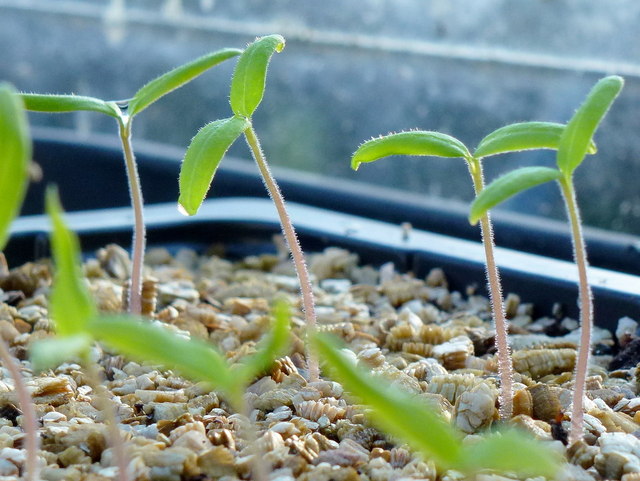
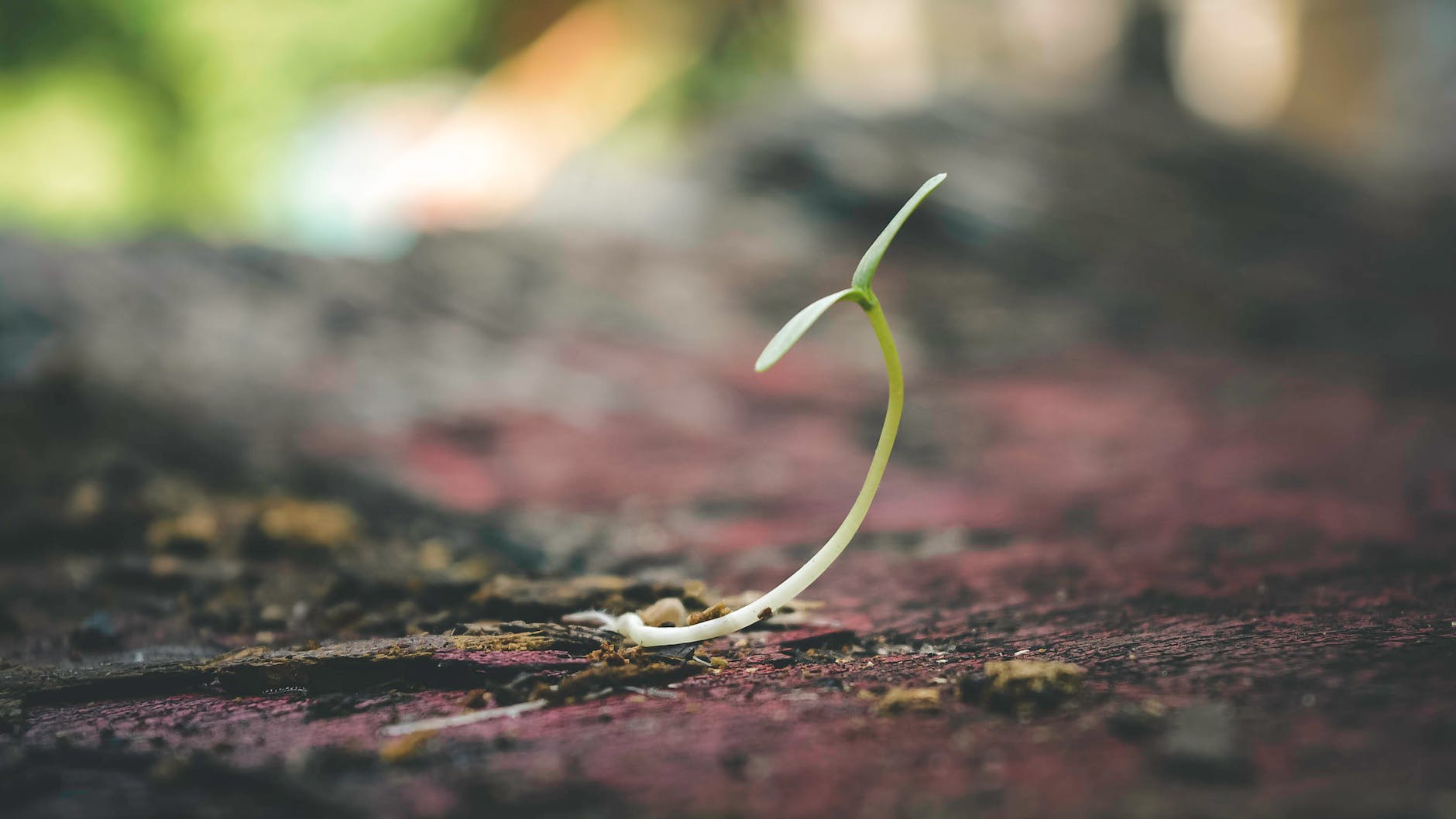
A good idea cannot remain dormant forever. Eventually, any thought, reflected and ruminated upon will emerge and express itself fully in the language of action. Chaos and destruction can often act as a context and catalyst for a new idea to come forth, like a tree seedling sprouting after a storm has passed. Its emergence may seem sudden, but remains the result of invisible and subtle forces that have acted upon and cultivate its growth. Even at the moment of its emergence, it contains the blueprint and framework of its full potential and intended purpose. Sometimes, the right timing and environment become prerequisites, but its inherent ethos, purpose, and ultimate destiny remain part of its blueprint from the start.

In summary, when a seedling emerges, its potential is part of and present to it. Some may argue that this idea is a form of Aristotelian essentialism, which holds that an emerging thing contains an essence, as we have no way of knowing whether an object or being has an essence. However as a metaphor, this we should consider this a worthwhile thought experiment. So, if you ever find yourself feeling stuck or searching for that spark of inspiration, remember to embrace the potential within your ideas, even when times get tough. You never know what incredible things you can create when you tap into that hidden well of creativity!

TRANSCENDING THE NOISE: Embracing Stillness and Silence for Well-Being

Photo by Gabriela Palai on Pexels.com

“My experience has shown me that valuing silence and stillness as essential tools for well-being (mental health and happiness) can bring practical benefits, regardless of our stance on dualism in light of modern neuroscience, which suggests that mystical experiences, consciousness, and the mind itself may just exist as a higher function of the brain.”

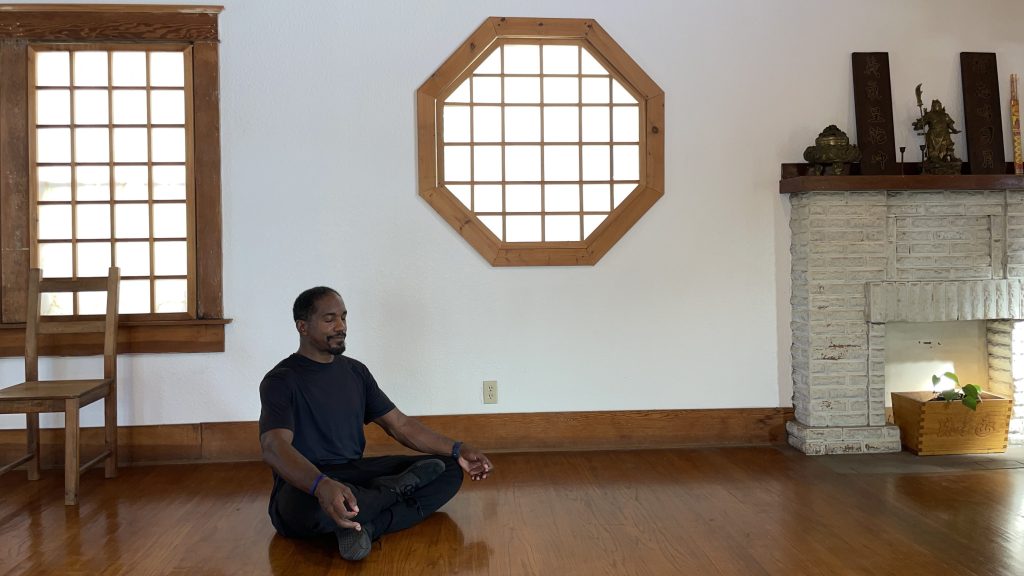
I recently came across an intriguing passage in the book ‘365 Tao‘ by Deng Meng-Dao, where he discusses the profound meaning of sound and silence. Meng-Dao suggests that by embracing contemplative stillness, we can tap into the subtle aspects of life and free ourselves from the noise of everyday existence. He explains that silence appears not merely as the absence of sound but as sound unified with all its opposites. With our deepest contemplative selves, we can perceive profound sounds and enter a transcendent realm through meditation.


Meng-Dao’s perspective resonates with Yin and Yang, where movement exists within stillness and sound within the silence. He intriguingly posits that the most resonant sound is silence itself and that meditation arises from the meeting of sound and soundlessness.

Now skeptics could easily find Meng-Dao’s ideas abstract, bordering on ‘woo-woo,’ in actuality, my experience has shown me that valuing silence and stillness as essential tools for well-being (mental health and happiness) can bring practical benefits, regardless of our stance on dualism in light of modern neuroscience, which suggests that mystical experiences, consciousness, and the mind itself may just exist as higher function of the brain. Neuroscience doesn’t necessarily disprove or rule out the existence of the transcendent or our inherent sense of interconnectedness with the world and beyond, which we may experience beyond the physical realm of our body and mind.

Ultimately, Meng-Dao’s metaphor of sound offers profound insights into the importance of meditative stillness and silence, despite our resistance to embracing them in our busy lives. These practices have the potential to enrich our well-being and open doors to deeper realms of existence.

Stay inspired and inspirational!

Photo by Arnie Chou on Pexels.com