Amazingly, a maximum lifespan of Homo sapiens 15,000 years ago went as high as 94 years, an age more senior than the corresponding figure of 91 years attached to modern humans. Some will disparage the life expectancy figures, disregarding the absence of contemporary disease in primal times, and the gradual advent of agriculture and civilization around the world that caused human life expectancy to drop significantly. This drop came primarily due to infectious diseases, warfare, and inferior nutrition within the hunter-gatherer diet. When we reduce aging to only chronology, we overlook the accurate indicators of the aging process. They commonly recognized chronological seem to tell a distorted, if not incomplete, story.
Perhaps we need to rethink our definition of aging so that we can understand how to decelerate it by removing age-accelerating lifestyle practices. Today, we have a warped sense of longevity because many of us have accepted adverse lifestyle practices as being the norm. Our organs wear out in 120 years, as opposed to 80. We can reframe our current notion of chronological aging more accurately as an accelerated decline in health and fitness resulting from modern lifestyle practices such as poor nutrition, chronic exercise, lack of adequate sleep or play, or overly sedentary daily routines.
Hayflick limit
On a biological level, our natural maximum life span corresponds with the Hayflick limit—the upper limit on the number of times our cells can divide before expiring by programmed cell death or apoptosis, especially in the absence of adverse lifestyle practices and misfortune that accelerate aging.
Also, a short sequence of genes located at the tip of the chromosome called telomeres can reveal the number of times a cell can divide. Each time cells divide, the length of the telomeres on that cell shortens. Biologists use protein cell telomere length as a biomarker for aging because their evidence has emerged that oxidation, free radical damage, glycation, and inflammation from adverse lifestyle accelerate aging and shorten telomere length. Dr. Ron Rosedale, the author of “The Rosedale Diet,” asserts that the shortening of telomeres is merely a symptom of accelerated aging due to other influences, not a cause. Hence, an examination of one’s telomere length could correlate with lifespan and may reveal that we stand much younger or older than we look or that our chronological age tells us.
We drive the aging factors of oxidation, free radical damage, glycation, and inflammation are mainly by poor dietary habits such as excess consumption of sugar, industrial oils, and other processed foods, as well as excessive stress and insufficient sleep. Even when we sit excessively has been shown that when we sit excessively, we contribute to shortening our telomere length.
Ultimately, suppose we view aging as a decline in strength, power, speed, endurance, flexibility, and your organs’ ability to function beyond a baseline level, along with an absence of disease or disease risk factors. In that case, we can see that the conventionally used aging marker of chronology gets overridden and reframed by our lifestyle behaviors that contribute to or undermine our wellness and longevity.
References
Rudolph, K. Lenhard. Telomeres and Telomerase in Aging, Disease, and Cancer : Molecular Mechanisms of Adult Stem Cell Ageing. Berlin: Springer, 2008.
A better world starts with us cultivating our better selves – a self-aware agent of change guided by self-compassion, self-determination, empathy for others, and moral conscience. Join my mailing list for my free ebook: 3 Movements for Energy, Calm and Immunity
“If we don’t take care of our bodies, where will we live.?”
– Dan Millman.
What happens when we often feel too exhausted or too full of aches and pains to even get out of bed? What message have our bodies sent us up to this point that we have ignored? What if we can learn how to listen and interpret what our bodies tell and expect of us so that we can live a pain-free, productive life. Although we feel compelled to view health from a singular perspective, we should see optimal wellness as a result of several interrelated lifestyle practices. Living a long, productive life remains a possibility if we follow some basic principles of wellness first articulated by Mark Sisson in The Primal Blueprint.
PRINCIPAL # 1- EAT NUTRIENT DENSE PLANTS AND ANIMALS. When scientists examined human remains samples dating back to 50,000 years, they found that our ancestors ate nutrient-dense plants and animals. This practice lies in sharp contrast to our modern diet of regimented meals wildly disproportionate in process carbohydrates and chemicals that our bodies still have not grown accustomed to consuming. Through selection pressure, we developed to use and prefer ingested dietary fats and stored body fats from animals and plants as our primary fuel source, especially when food became inconsistent and scarce during changing seasons and during times of famine. Our ancestor’s reliance on dietary fats contributed to optimizing their brain growth and function over time.
PRINCIPAL # 2- AVOID POISON The chemically altered industrial seed and grain oils conventional in processed foods align more with our idea of poison because they undermine the healthy function of our bodies and brain on a cellular level. The deemphasis on simple, clean, organic foods in favor of modern processed and colorfully packaged foods can lead to weight gain, systemic inflammation, and constant brain fog. Eating these foods over a long period will lead to more severe diseases such as compromised digestion, immune, cardiovascular, and hormonal function, fatigue, burnout, and an elevated risk for modern killers of heart disease and diet-related cancers. Buying good organic fresh foods in their most recognizable unprocessed form will help us live healthier.
PRINCIPAL # 3- MOVE YOUR BODY FREQUENTLY Our ancestors found joy in a diverse, active lifestyle that enhanced fat metabolism, cardiovascular function, brain development, stress management, and general health and longevity. They spent many hours hunting, gathering, walking, hiking, scouting, foraging, and generally staying active with a low level of intensity. We can serve our bodies best by standing, moving frequently, and finding ways to move throughout the day. After we engage in a consistent pattern of movement, we can undo all that effort by falling immediately into inactivity afterward, especially if we have long-distance commutes or long hours of sitting in an office working. On the other hand, chronically workout, too frequently at a slightly difficult pace and for too long a duration can fatigue and burn us out as well. Our bodies have adapted to live on brief, intense, intermittent stressors, but those stressors deplete when we introduce chronic workouts that reach a point of diminishing returns with exercise. Instead of supporting health, we compromise it when neglecting adequate rest and recovery. The key lies in the frequent movement at low intensity.
PRINCIPAL # 4- LIFT HEAVY THINGS OCCASIONALLY We also need occasional intense sessions of weight-bearing functional body movements to optimize our body’s strengths and wellness. A pattern of brief, intense strength training workouts with and without weights, dispersed with adequate recovery time between sessions, will help us build lean tone muscles, enhance fat metabolism, and improve organ function. Periodic intense training runs counter to the convention of working out several days a week, going through different isolation exercises to build huge muscles. This over-practice often stimulates the prolonged release of stress hormones that break down the muscles instead of building them, especially without adequate time to rest and recover. A minimum of 20 to 30 minutes of strength training sessions a week in conjunction with frequent functional movements will give us the most benefit in less time.
PRINCIPAL # 5- RUN ONCE IN A WHILE AS IF YOUR LIFE DEPENDED ON IT. Until recent human history, we lived based on how fast we could run from an intermediate danger. Our body harnesses its resources to deal with a perceived life or death request for peak performance by optimizing its energy production inside our cells, stimulates fat metabolism, and hormone regulations. We can mimic fight or flight response by doing a low impact all-out effort on the stationary bike to activate the to get our adaptive hormones into the bloodstream. It will also organize a muscle rebuilding effort to come back stronger as it anticipates repeat occurrence. A workout that will take us only a few minutes of intense, all-out attempts will continue to benefit our bodies by building muscles and burning fats hours and even days after the exercise session.
Although we feel compelled to view health from a singular perspective, we should see optimal wellness as a result of several interrelated lifestyle practices.
PRINCIPAL # 6- GET THE QUALITY SLEEP REST YOU MUST HAVE TO DO YOUR BEST. At sunset, our bodies release a sleep agent called melatonin, which prompts sleepiness and transitions us into an optimum phase of sleep. When our eyes and skin cells sense light in the morning, our body prompt an increase of a mood-elevating hormone called serotonin, and a stress hormone called cortisol, as our melatonin declines for the new day. We feel refreshed and energized for a new day. In modern times, we have radically disrupted these natural circadian rhythms and hormone-releasing sequences by introducing artificial light and, more recently, increased our use of digital screens. These factors cause our bodies to send a request for additional energy to focus at sunset when our body systems should begin winding down for the evening.
Consequently, we have untimely triggered cortisol, sugar cravings, compromise sleep, and diminish potential energy for the mornings. The process of recalibrating our hormones to align better with our circadian pattern will refresh our body and mind. Going to bed at or near sunset seems unrealistic for many. Luckily we have some hacks that can help. These include minimizing blue light emitted digital screen, wearing blue light blocking glasses after sunset, and powering down devices two hours before bed. Creating a simple, quiet, cool sleeping environment will allow us to rise and enjoy the high-energy mornings we need, awakening near sunrise, feeling refreshed. Given the modern-day work schedules for some, getting quality sleep remains a challenge, but we can always do something to move us towards an ideal pattern of practice for wellness sake.
PRINCIPAL # 7- PLAY SOCIALLY Our ancestors relished leisure time more than we do in modern society. They spent the last six hours a day engaging in unstructured play and social bonding. Wellness experts found that play, whether solo or socially, serves to lower stress levels and unwind from everyday rigors from daily life. Also, play allows us to improve social bonding and helps us gaining valuable rehearsal skills applicable to actual life or death but under risk-free and pressure-free circumstances. Even more, periodic play increases work productivity by improving our ability to manage stress and elevate self-confidence, social competency, and creativity. Finally, play allows us to unplug from our regular work pattern to offset some of the confining forces in modern life spontaneously. The best form of the game happens outside with others in sorts of playful physical activity, which brings us to the vital principle of ‘getting plenty of sunlight.’
PRINCIPAL # 8- GET PLENTY OF SUNLIGHT The sunlight facilitates our skin’s production of vitamin D, a substance recognized by our body as a precursor hormone that helps regulate growth in virtually all cells of your body and helps to prevent a variety of diseases. Our skin absorbs and stores away vitamin D in our fat cells for future use. By exposing a large surface area of our skin to moderate amounts to direct sunlight during the appropriate times of day and year, we reap the benefits of exposure as we achieve optimal vitamin D production. Unfortunately, our dominant indoor lifestyles have resulted in widespread vitamin D deficiency. This lack can significantly increase cancer risk by compromising the function of our genes responsible for regulating healthy cell division. Also, deficiency can cause cardiovascular illness, cognitive impairment, poor bone health, sex hormones deficiency, depression, and renal difficulties. To correct this, we need only a 20-30 minute sunbathing session on a bright summer day or around half the time it might take a fair-skinned person to get a sunburn to produce around 10,000 international units of vitamin D (I. U.). Vitamin D from sun exposure versus dietary or supplementary sources stays in the body reserves longer. The standard American diet (S.A.D) delivers only around 300 I. U. of vitamin D per day. We cannot overdose on vitamin D made from sunlight. If necessary during the winter month, we can supplement our diet with a small single capsule to provide a couple of thousands of I. U of vitamin D supplying more than S.A.D daily food intake alone. Nonetheless, most of us have ample time during the year when the sun intensifies enough to synthesize plenty of vitamin D.
PRINCIPAL # 9- AVOID MALADAPTION, i.e., STUPID MISTAKES The modern environment has desensitized us to the dangers of distraction and overstimulation and lulled us into a false sense of security. Likewise, our failure to cultivate hypervigilance and risk management, we sometimes misplace our keys, bump our head on the doorway, slip on the floor, or lose necessary paperwork. Maladaptive mistakes can diminish our work productivity, social harmony, and the general peace of mind and daily life. Generally, we have to be careful of zoning out and losing focus because of distractions. Our ancestors had to remain aware of potential dangers and their immediate environment, whether from a predator or a poisonous plant. By staying careful, mindful, and slowing down, we can not only accomplish more, but we can also avoid a fatal accident. Not practicing social distancing or wearing masks at appropriate times during a pandemic or texting while driving exists as modern examples of doing something that can cost us our life or another person’s life. Ultimately focusing on a single peak performance task at a time instead of trying to ‘multitask’ will reward us with increased productivity with fewer mistakes.
PRINCIPAL # 10- EXPAND YOUR BRAIN CAPACITY BY LEARNING, STUDYING, AND CREATING NEW THINGS AND IDEAS. Our ancient ancestor’s general lifestyle contrasts sharply with our current specialized roles. Even though we have made our economic contribution to this new high-tech modern life by specializing, we have lost some valuable skills for just basic survival. Nurturing our mental health and overall well-being means that we have to use our brains in much broader ways of engaging in stimulating, exciting, and intellectual diversions. To this end, if we play games that challenge our memory and coordination like chess, crosswords or sudoku; learn a new language or how to play an instrument; read challenging literature or write one; learn to juggle, dance, play tennis, etc.—then we can re-energize our mental energy, health, and cognitive productivity.
In sum, we need to eat well, move frequently, remain vigilant, get sun, rest, work, play, and create to enhance our lifestyle and increase our life chances. Now that we know several paths to wellness, we have a working map of what our bodies fundamentally expect of us to live a quality life of abundant health and wellness.
A better world starts with us cultivating our better selves – a self-aware agent of change guided by self-compassion, self-determination, empathy for others, and moral conscience. Join my mailing list for my free ebook: 3 Movements for Energy, Calm and Immunity
WE HAVE BEFORE US A CRISIS AND CHALLENGE OF CHOICE, because of the ever-presence of industrial oil in many foods we eat. The practice of ignoring what certain fats and industrial oils do to our body remains a rather high cost over the long term. The beneficial task of taking the time now to choose high-quality foods will reward us the wealth of health and stands as the best investment of time and effort for anyone who wants to live well and live a longer quality life.
We can begin by maximizing satiety on nutrient-dense food and asking ourselves a few questions:
How do we distinguish between sound quality, clean food versus the convenient, low-quality, and conventional food choice that inundates mass media advertisements and grocery shelves?
Where do we look today to find nutrient-dense food to enjoy and savor?
What can we correct in our food choices to put us on a wellness path?
Answering the above three questions will require some pre-planning (and perhaps some cabinet cleaning) to learn to act more deliberate, avoiding impulsive and often unconscious food choices when we get hungry.
The Bad
MOSTLY IN THE MIDDLE SHELVES OF GROCERY STORES WE FIND packaged and canned food containing bad fats in the form of industrial oils. These include trans-fats,’ and hydrogenated oils such as canola, corn, cottonseed, soybean, safflower, and sunflower. Gary Taubes in Why We Get Fat offers a historical account of how major food industries contributed to manipulated and misrepresented studies on how particular oils and fats affected the body’s function. These oils have a short history as they appeared just after 1977 when the government forced food manufacturers to stop using lard, beef tallow, and butter and instead encouraged food companies to invent and promote a spreadable form of hydrogenated fat that we call margarine to “improve the texture” and to extend the storage shelf life. This change came at the expense of long-term human health and quality life-chances.
For instance, we know that hydrogenated oils and trans-fats challenge the body’s optimal function by contributing to bad high cholesterol (LDL). Unlike animal fats, such as lard, butter, and tallow, these highly processed industrial oils contribute to slowing down the brain’s ability to protect itself from inflammation, which, in turn, significantly increases the chances of a stroke. Given that we only need to consume a minimum of two grams (4 servings) of these fats to cause harm, we should remain cautious in our food choices and always check the label of boxed and packaged foods for these hydrogenated oils. Given that companies continue to slowly refine, bleach, and deodorize industrial oils like soy, corn, and canola, leaving them nutrient-lacking, we need to make sure we avoid them at all costs and use better fat sources of fuel that remain un-refined. Even some five star restaurants use some of these oils, so ask what they cook with when you order your food or request that they use one of the aforementioned unprocessed oils.
The Good
IF WE LOOK CAREFULLY AT WE CAN FIND SEVERAL CHOICES OF GOOD FATS AND OILS THAT SUPPORT the body and brain. We can find a detailed explanation of the consequences of consuming industrial oils found in many foods in Deep Nutrition by Kate Shannon. For instance, she notes that unrefined oils retain the natural taste of nuts, seeds, or fruit because companies process them without using harmful solvent used in refined industrial oils mentioned above. Accordingly, olive, avocado, and macadamia oils make ideal selections for salads, and coconut, lard, and tallow for cooking. However, we must avoid cooking with olive oil because heat at 300 degrees damages the oil, making it unsuitable to consume.
Although nuts, especially macadamia and brazil nut, represent an excellent addition to our food choices, they contain some anti-nutrient qualities. Nonetheless, we can include a small amount (a half-palm) of pistachios, cashews, pecans, walnut, hazelnuts, and flaxseeds. We just need to remember that in excess, they can create digestive issues because of anti-nutrient qualities. We can offset anti-nutrients by preparing them by sprouting, roasting, or soaking them first. Nut butter made from pre-roasted and prepared nut stands as our best choice.
Sometimes we make uninformed, impulsive choices concerning our health because of timing and circumstance. We must regain some control because the cost of standing oblivious to our health remains high and undermines our chances to optimize the function of our bodies and brains for living a long and quality life.
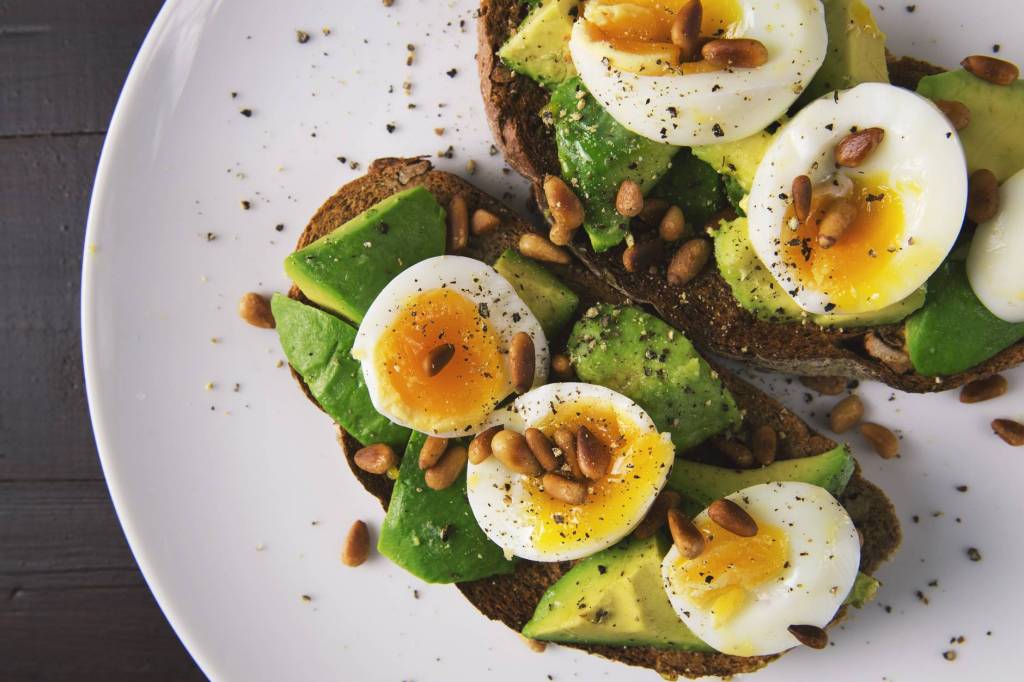
Besides the oils from nut and vegetable sources, another worthy investment toward wellness comes from eggs, especially the yoke, which has good cholesterol (HDL) and provides over half of the 13 essential nutrients. Free Range Eggs remain higher rich sources of Vitamin D, B and Omega 3, Even more, the choline in the yoke of these eggs will absolutely support brain function.
A Balanced Corrective
START WITH GOOD FATS AND OILS FROM GRASS-FED AND GRASS-FINISHED animals when you can. Consider the upfront cost of higher quality investment as an investment in your health, wellness, and longevity. If we must eat grain or corn fed meats, then we can always choose the leanest cut avoiding the bad fat where most of the anti-nutrients from the grain culminate. Also, we need to stock our shelves with other good sources of fat found in nuts, seeds, cold-water fish, dairy, hard and fermented cheeses, and free-range eggs.
The practice of ignoring what certain fats and industrial oils do to our body remains a rather high cost over the long term. The beneficial task of taking the time now to choose high-quality foods will reward us the wealth of health and stands as the best investment of time and effort for anyone who wants to live well and live a longer quality life.
We now recognize that a variety of fats and oils that we consume either benefit or undermine the brain and body’s function. This particular information will contribute to our knowledge of perils of specific paths that we take towards wellness, which in turn inform our behavior and practice. According to Kate Shannahan in her book Deep Nutrition, the cost of not changing and not avoiding these harmful oils appear enough to spend energy to rethink how we use our energy and effort toward feeding ourselves. Beyond pleasure, eating for nourishment, also, can enhance appreciation for food and the wellness benefits it offers.
Sisson, Mark D. The Primal Blueprint : The Definitive Guide to Living an Awesome Modern Life. 3rd edition. ed. Oxnard, CA: Primal Blueprint Pub., 2016.
Shanahan, Catherine, and Luke Shanahan. Deep Nutrition : Why Your Genes Need Traditional Food. First Flatiron Books edition. ed. New York: Flatiron Books, 2017.
Taubes, Gary. Why We Get Fat and What to Do About It. 1st ed. New York: Alfred A. Knopf, 2011.
A Balanced Way to Wellness or W2W gives us a simple approach to shift our mindset and practice towards our wellbeing. Unlike many diets, we don’t need to track calories; we only need to make the best conscious choices of foods to eat, and the body will take care of itself. The most prominent mindset we often have to fight against: “I have to change too much of what I do.” “If I change, then I can’t eat my favorite foods,” and “eating primally will diminish my enjoyment.” W2W offers a low-cost solution with significant benefits on body and brain for anyone wanting to increase their life chances, and optimize their brains and body. The W2W approach’ rooted in the Ancestral and Primal frameworks and focus, gives many options that will satisfy any food lover. Join my mailing list to learn more and to receive my free ebook: 3 Movements for Energy, Calm and Immunity














 Musings on Martial Arts, Taoist Philosophy & All Things Wellness Related.